RWPI Condemns Caste-Based Atrocity and Attempted Murder in Beed and Maharashtra Police’s Complicity.
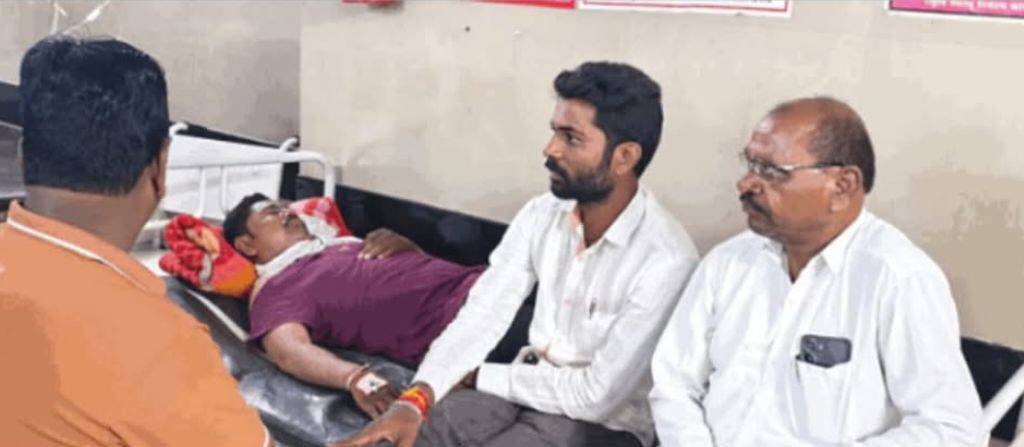 Vaibhav Khandagale, a young Dalit professional, was brutally assaulted by 10-12 Maratha men in Beed, Maharashtra. The attack-motivated by caste hatred-was an attempted murder, carried out in retaliation for Vaibhav’s act of aiding another Dalit youth who had consumed poison. During the assault, Vaibhav’s mother was verbally abused, and another Dalit woman was physically beaten. Shockingly, instead of ensuring justice, the local police have actively shielded the accused. The Medical Legal Case (MLC) report was deliberately delayed, and false counter-complaints have been filed to obstruct accountability.
This incident follows the custodial death of Somnath Suryawanshi, a 35-year-old Dalit law aspirant, who died last year due to “shock following multiple injuries,” as per the postmortem report. Repeatedly, there have been reported cases across the country when the police have pressured victims into compromising with their attackers or even threatened them with fabricated charges rather than prosecuting the perpetrators. Such actions expose the police and state authorities as complicit in upholding casteist oppression. Far from being impartial, they have consistently reinforced caste hierarchies through systemic bias and deliberate inaction.
Prime Minister Narendra Modi recently boasted that there is “no caste in India.” Yet, can he-or his party’s government in Maharashtra-explain the alarming surge in caste-based violence, not only in the state but across the country? The 2022 National Crime Records Bureau (NCRB) report reveals alarming statistics that underscore a worsening pattern of caste-based violence in India. Nationally, registered cases of atrocities against Scheduled Castes (SCs) rose to 57,582 in 2022- a significant 13.1% increase from the 50,900 cases documented in 2021. This disturbing trend is particularly pronounced in Maharashtra. Between 2018 and 2022, cases registered under the SC/ST (Prevention of Atrocities) Act by SC community members surged by 38.96%, escalating from 1,947 to 2,743 cases. The situation is equally concerning for Scheduled Tribes (STs), with cases increasing by 41% during the same period. These figures position Maharashtra as the state with the fourth-highest incidence of reported caste-based atrocities in the country. If, as Modi says, caste no longer exists in India, why do these atrocities persist? And why does the government remain silent?
These atrocities persist across the length and breadth of so-called “VishwaGuru India,” laying bare the uncomfortable truth that caste-based oppression remains deeply entrenched in our society. Despite constitutional safeguards, Dalit communities continue to face systemic violence, institutional discrimination, and brutal social exclusion.
The Beed case exemplifies this systemic failure. Vaibhav’s family now endures threats of social boycott while local police authorities have deliberately denied them security.
This shocking indifference contrasts sharply with the Maharashtra government’s urgency in pushing through the ironically named “Special Public Safety Act”. One can clearly see how much the Maharashtra Government is concerned about safety of its own people. In reality, this legislation will serve as a tool to stifle all voices against government, the dissent, and perhaps even people raising voice against such atrocities like in Beed. The government’s priorities stand exposed: swift action to curb democratic voices, but deliberate inaction when lives of marginalized communities are at stake.
The Revolutionary Workers’ Party of India demands:
- Immediate legal action against all perpetrators in Beed
- The quashing of fabricated FIRs filed against victims
- Provision of adequate protection for the affected families
- Disciplinary proceedings against complicit police officials who shielded the attackers.